Modern AI SEO Approaches for the Future of Search Engine Optimization
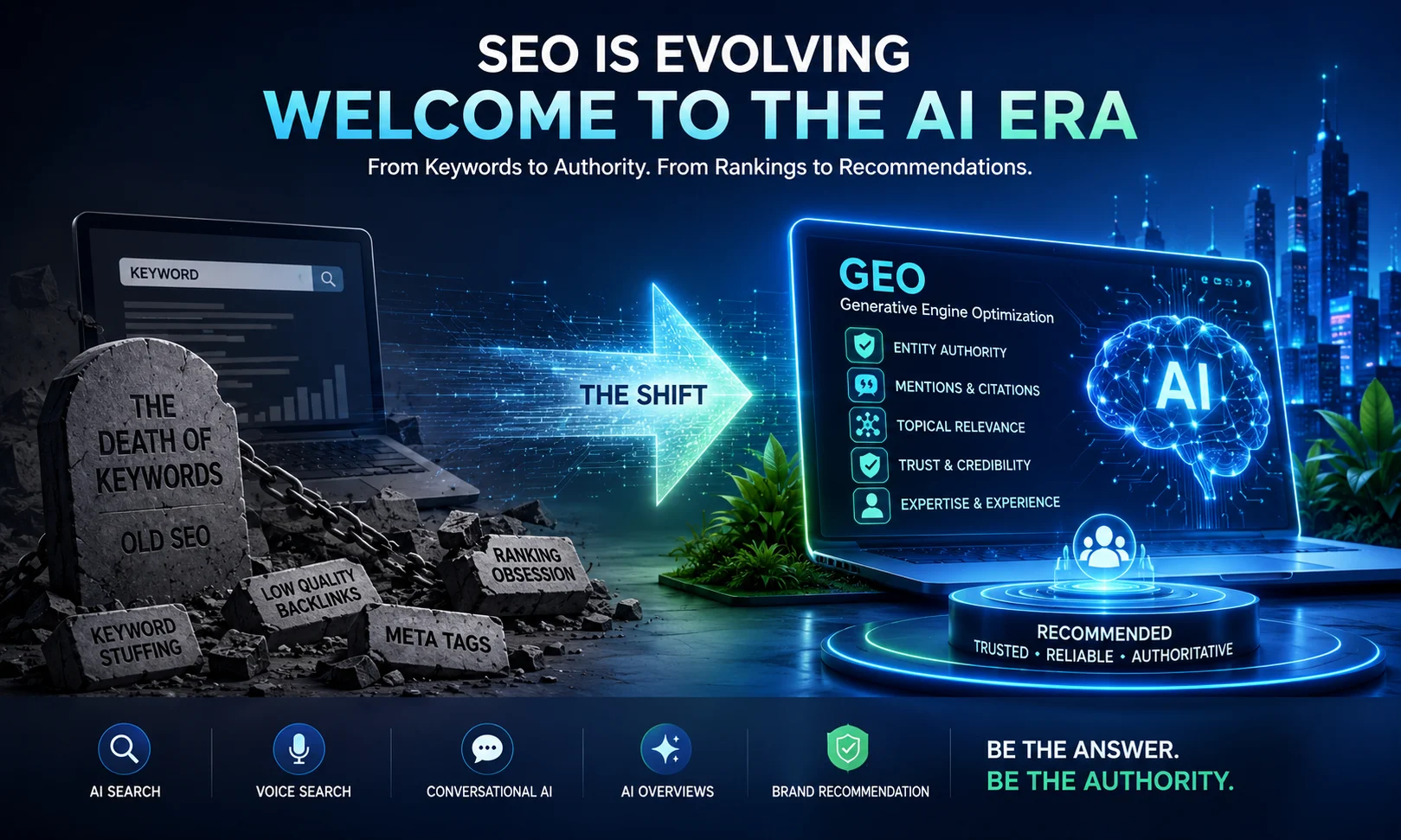
Search patterns are changing fast, and businesses can no longer depend solely on older keyword placement methods to gain visibility. The Future of Search Engine Optimization is being shaped by artificial intelligence, conversational search, entity understanding, trust signals and content that demonstrates real expertise. Search engines and answer platforms now study meaning, context, reputation and credibility before deciding which brands deserve attention. This transition has made Modern AI SEO strategies vital for companies that want to remain visible in a highly competitive digital landscape. Rather than creating pages only around exact search terms, brands must build deeper topical coverage, a consistent business identity, helpful content and trusted references across the wider digital ecosystem.
Why Traditional Keyword SEO Is No Longer Enough
For many years, search campaigns focused heavily on keywords, title tags, backlinks and basic page optimisation. These factors still matter, but they are no longer enough by themselves. Modern search systems understand intent rather than just matching words. A user may ask the same question in different ways, yet artificial intelligence can recognise the real need behind that query. This means brands must create content that answers problems fully, explains concepts clearly and connects related ideas in a structured manner. A page that repeats a phrase without valuable depth may underperform, while a well-organised resource with real insight can perform better across search and answer-based platforms.
Generative Engine Optimization and AI-Based Discovery
Generative Engine Optimization is becoming a central part of organic visibility because AI-powered answer systems do not simply list pages. They summarise, compare, interpret and recommend information according to trust and relevance. GEO centres on making a brand easy for artificial intelligence systems to understand, verify and reference. This includes clear explanations, strong topical relationships, structured content sections, direct answers, consistent brand details and solid proof of expertise. Businesses that embrace GEO can improve their chances of appearing in AI-generated responses, recommendation summaries and conversational discovery journeys.
Semantic SEO and Meaning-Based Content
Semantic SEO is the practice of building content around meaning rather than just isolated phrases. It helps search systems understand how topics, services, industries, locations, people and business entities relate to each other. Strong semantic search optimization includes topic clusters, clear definitions, supporting explanations and naturally connected subtopics. For example, a business writing about AI visibility should also address entity recognition, authority signals, citations, content structure, trust building and user intent. This wider approach helps artificial intelligence systems understand that the brand has genuine knowledge in its field rather than only a shallow focus on single phrases.
Entity SEO Techniques for Stronger Recognition
Modern platforms identify businesses as entities, which means they try to understand who the business is, what it does, where it operates, who is connected to it and why it deserves trust. entity SEO techniques help establish this clarity. A brand should use consistent naming, clear service descriptions, author information, structured business details and content that supports its expertise. When multiple sources describe a semantic search optimization business consistently, AI systems gain more confidence in recommending it. Entity-based optimisation is especially important for companies that want long-term visibility across traditional search, AI summaries and industry discovery platforms.
AI-Powered Visibility for Businesses
AI-powered business visibility is not limited to ranking on a single search results page. It includes being recognised in AI answers, comparison outputs, knowledge-based summaries, local discovery systems and voice-style responses. To achieve this, businesses must focus on clarity, consistency and authority. Content should explain services in a way that both humans and machines can understand. Technical elements such as structured data, logical page hierarchy and readable formatting also support better interpretation. When combined with strong content and reliable reputation signals, these efforts help a business become easier to identify and recommend.
Digital Authority Building in the AI Era
Digital Authority Building is now one of the most important foundations of organic growth. Search systems increasingly assess whether a brand is trusted by users, mentioned by relevant sources and supported by real expertise. This makes authority more important than short-term ranking tactics. Businesses should publish useful educational content, share expert insights, develop strong service pages and maintain consistent brand information across respected digital spaces. Authority also grows through customer trust, professional credibility, original ideas and clear proof that the business understands its market. The stronger this authority becomes, the more likely AI systems are to treat the brand as a trustworthy source.
Why Mentions and Citations Matter
Brand mentions and citations help artificial intelligence systems validate a company’s presence. A mention does not always need an active link to create value. When a brand is repeatedly mentioned in relevant contexts, AI systems can connect it with specific services, industries and expertise areas. Citations also support consistency by confirming key business details across independent sources. This builds a stronger trust layer and helps reduce confusion. For companies working on an authority marketing guide, mentions, citations, expert content and reputation signals should all form part of the strategy.
The Role of an EO Visibility Platform
An EO visibility platform can support businesses by helping them manage visibility across search engines, answer engines and authority-based discovery channels. The purpose is to bring together content planning, entity clarity, structured information, citation consistency and performance tracking. As AI discovery becomes more complex, businesses need stronger systems to understand how they appear across different digital environments. A strong platform can help identify gaps in trust signals, weak content areas, inconsistent details and missed authority opportunities. This makes optimisation more strategic and measurable.
Human Expertise Still Remains Important
Although artificial intelligence is changing search, human expertise remains essential. Generic automated content often misses original experience, practical examples and professional judgement. Search systems are becoming better at identifying thin content that adds little value. Businesses should focus on expert-led articles, case-based insights, accurate explanations and useful answers that reflect real knowledge. The best content feels natural, useful and trustworthy. It should help readers make better decisions while also providing search systems with clear signals of expertise, authoritativeness and reliability.
Getting Ready for the Future of Search Engine Optimization
The Future of Search Engine Optimization will favour brands that think beyond simple rankings. Success will depend on visibility across AI answers, semantic search systems, entity graphs, trusted citations and user-focused content experiences. Businesses should review their website structure, improve content depth, remove weak pages, organise topics clearly and ensure every important service is explained accurately. They should also strengthen reputation signals through useful content, consistent brand information and professional authority. This combination creates a digital foundation that can adapt as search technology continues to evolve.
Conclusion
Modern search is evolving from keyword matching to trust-based understanding. Businesses seeking stronger organic growth must invest in Modern AI SEO strategies, Generative Engine Optimization, Semantic SEO, entity clarity and long-term authority. The goal is not only to rank for selected phrases but to become a recognised and reliable source within a digital ecosystem shaped by artificial intelligence. With strong content, consistent identity, technical clarity and genuine expertise, brands can improve visibility across traditional search results, AI-powered summaries and future discovery platforms.